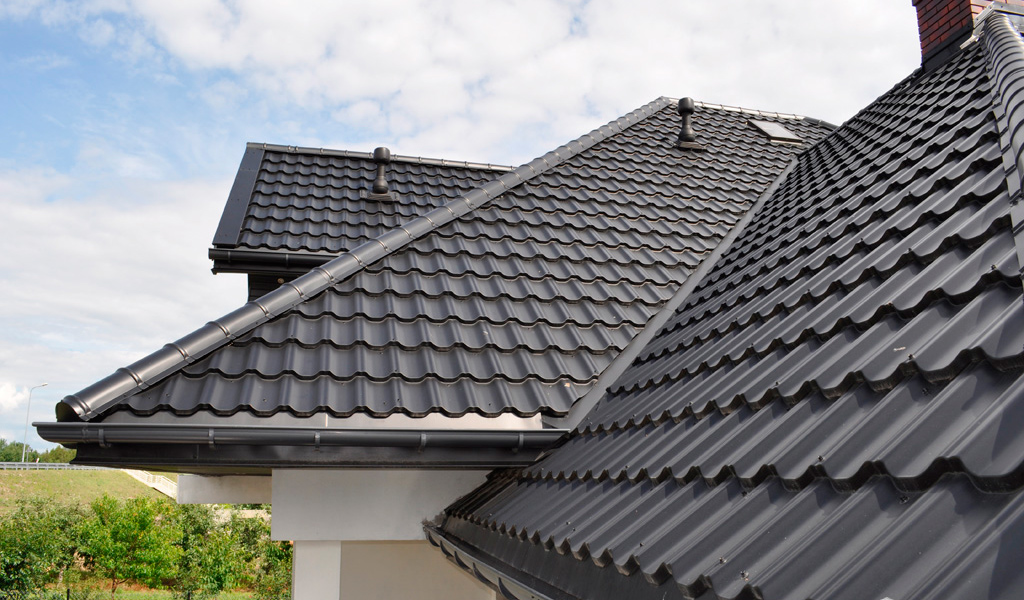
Historic Home Roofing Solutions: Preserving Character While Enhancing Durability Jul 10, 2026
Understanding the Importance of Preservation
When dealing with historic homes, conservation is key. Many homebuyers are drawn to these properties for their original materials and craftsmanship, which means any updates must be carefully considered. Using traditional materials and methods not only preserves the home’s historical value but can sometimes offer insights into modern sustainability practices. Thus, it’s important to work with roofing experts who understand these delicate demands and can blend time-honored techniques with modern innovations.
Choosing the Right Materials
Selecting suitable roofing materials is crucial for historic homes. While asphalt shingles are a popular modern choice due to their affordability and ease, they may not always be suitable for older homes. Slate and clay tiles often represent a common choice historically and offer a timeless aesthetic alongside excellent durability. Modern advances now allow for these materials to be more eco-friendly and lighter than their original counterparts, easing the strain on your home’s structure.
Another alternative is wood shingles or shakes, which provide a rustic, authentic appearance. However, they require special treatment to improve fire resistance and longevity. If budget constraints or local regulations pose challenges, consider synthetic materials. These can mimic original profiles while benefiting from improved resilience and reduced maintenance requirements.
Working Within Regulations
Historic homes often fall under the purview of local regulations or guidelines put forth by the National Register of Historic Places. In some cases, alterations, including roofing changes, require special approvals. Before starting your roofing project, consult with local historic preservation officials. They can provide insights into potential restrictions and approvals needed for altering original structures. Aligning your project with these guidelines not only helps in maintaining authenticity but prevents potential legal or financial issues down the road.
Enhancing Energy Efficiency
An improvement in historic home roofing doesn’t have to sacrifice energy efficiency. Modern materials can be chosen to improve insulation and reduce energy consumption. Reflective coatings or solar tiles can be integrated subtly into a roof’s design to greatly enhance efficiency while preserving the historic look of your home. Consulting with a roofing company experienced in both traditional and modern technologies can offer innovative solutions tailored to your specific needs.
Conclusion
Owning a historic home is a rewarding experience that offers a profound connection to history. By choosing Life Time Roofing for your roofing needs, you ensure that you are taking the best steps to preserve your home’s character while enhancing its durability. Our team of experts thrives on merging historical charm with contemporary performance, ensuring your roof is not just a component of your home, but a crowning achievement that will shelter generations to come. With the right approach, you can protect your investment while paying homage to its storied past, creating a legacy of beauty and resilience.
By following these strategies, you can effectively navigate the complexities of roofing historic homes, ensuring they continue to stand proud as testaments to architectural artistry and enduring craftsmanship.
/filters:no_upscale()/filters:format(webp)/media/4944da59-50ad-4c68-a41e-e46120541c37.jpeg)
/filters:no_upscale()/filters:format(webp)/media/218593fd-ee7b-4621-a8b2-03334daa3f2e.jpeg)