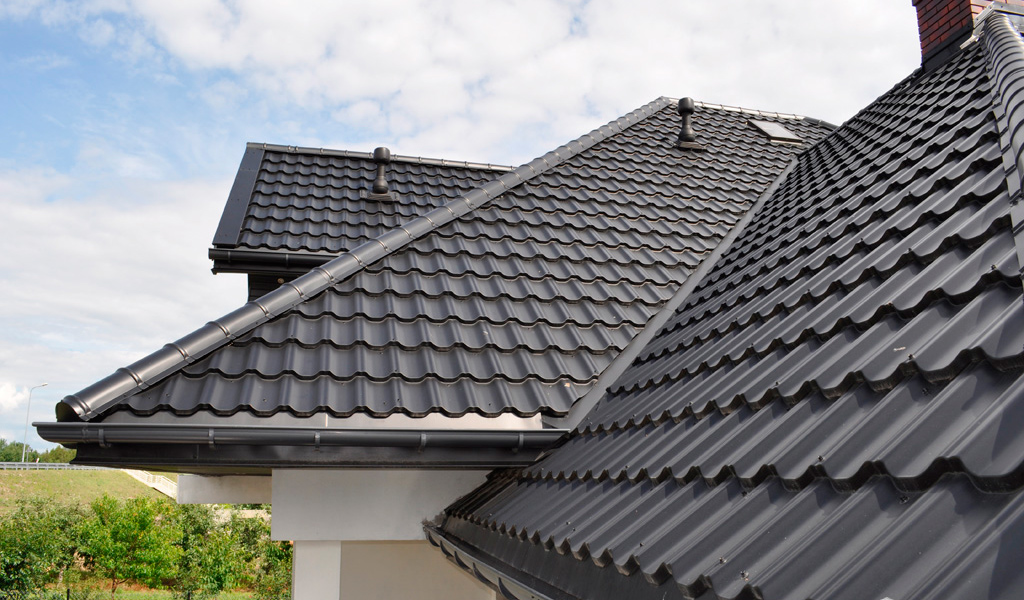
Protecting Your Investment: Essential Roof Inspection Checklists for Homeowners May 22, 2026
First, start with a general visual inspection from the ground. Look for any visible sagging, aging, or damage to the roof's surface. Pay special attention to any missing or damaged shingles, as these are common entry points for water, leading to leaks and further damage. Next, check for signs of moss, mold, or algae. These can cause severe issues such as wood rot and structural damage if left unchecked.
After you have completed the ground-based inspection, it's time to move closer, but remember: safety first. If you're not confident working at heights, it's best to contact a professional roofing service like Life Time Roofing. They have the equipment and experience to assess your roof safely and effectively.
Once you're safely on your roof, focus on the condition of the shingles. Look for curling, blistering, or any shingles that are peeling. These are indicators that the shingles have reached the end of their lifespan and need replacement. It's also important to identify any granule loss. Granules protect shingles from the sun’s UV rays, and extensive loss may require attention.
Don't overlook the flashings, which are essential in preventing water from infiltrating at roof intersections, chimneys, and vent pipes. Ensure these are secure and intact, as damaged or loose flashings can lead to leaks. Checking the condition of seals around these areas is critical.
Gutter systems play a pivotal role in directing water away from your home. Inspect the gutters and downspouts for blockages from leaves, dirt, or debris that could cause water damage to your roof or foundation. A clean gutter system is key to preventing water overflow and subsequent structural damage.
Inside your home, a roof inspection isn’t complete without checking the attic. Look for any signs of water intrusion, such as water stains, mold growth, or damp spots. Adequate ventilation is also critical as poor ventilation can lead to moisture buildup, causing your roof materials to deteriorate faster.
Finally, keep documentation of your findings. Take pictures of any damage or areas of concern and note the date of your inspection. This record can be invaluable for future reference and when discussing repairs or maintenance with roofing professionals like Life Time Roofing.
Regular roof inspections are a small investment of time and effort that can save you from substantial repairs and extend the lifespan of your roof. With the guidance provided by Life Time Roofing, you can conduct these inspections confidently and effectively. If you encounter issues beyond your expertise, never hesitate to reach out for professional help. Prioritizing regular inspections ensures your home remains safe, secure, and resilient against the elements.
/filters:no_upscale()/filters:format(webp)/media/4944da59-50ad-4c68-a41e-e46120541c37.jpeg)
/filters:no_upscale()/filters:format(webp)/media/218593fd-ee7b-4621-a8b2-03334daa3f2e.jpeg)