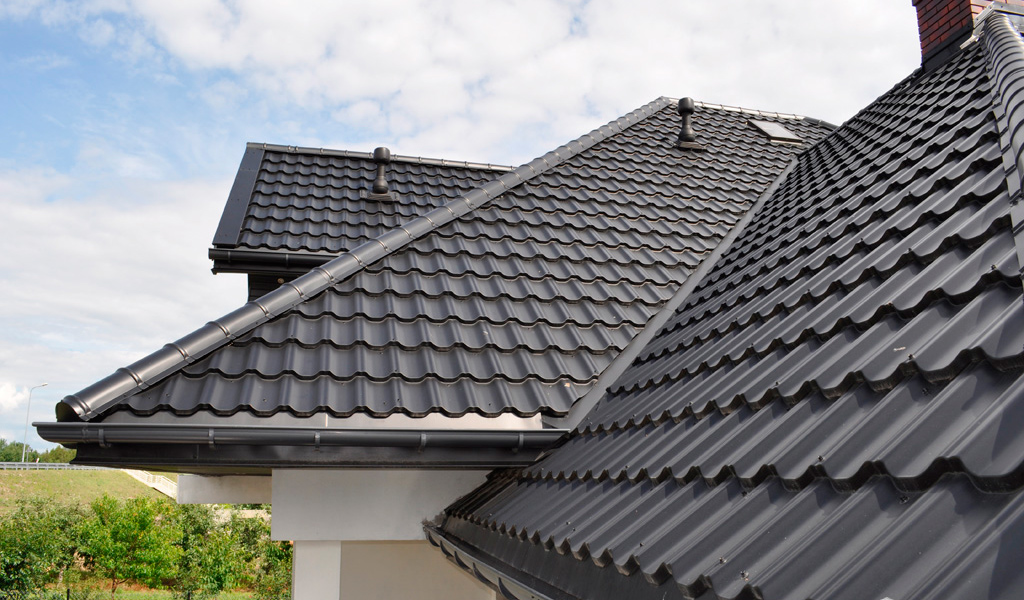
The Comprehensive Guide to Roofing Ventilation: Optimize Your Home's Health and Efficiency Jun 08, 2026
Roofing ventilation involves installing intake and exhaust vents that facilitate the continuous flow of air in and out of the attic. This process helps to regulate temperature and moisture levels, preventing the buildup of harmful conditions that can degrade your roof's materials over time. Inadequate ventilation can lead to serious problems such as mold growth, roof deck warping, and increased energy bills due to inefficient temperature regulation.
To understand why ventilation matters, consider the climate variations your roof faces throughout the year. In summer, attics can reach sweltering temperatures, which can drive up cooling costs and shorten the lifespan of roofing materials due to heat stress. Ventilation helps in expelling hot air, reducing the cooling load on your HVAC system. In winter, warm, humid air from inside the home can rise into an attic, where it cools and causes condensation. This moisture can lead to mold, insulation damage, and structural decay. Ventilation helps to balance these temperature differences and maintain a healthier roof.
There are several types of roofing ventilation systems available, and selecting the right one depends on your specific needs and roof design. Ridge vents are a popular choice, installed at the peak of a roof, providing an unobtrusive way for warm, moist air to escape. Soffit vents, installed under the eaves, are effective for drawing fresh air into the attic. Gable vents, although more traditional, can still offer substantial benefits in certain roof designs, allowing air to move freely across the attic space. Determining the optimal configuration for your home often requires a professional assessment from experts like Life Time Roofing.
Proper installation and maintenance of roofing ventilation systems are critical. Even the best-designed system can fall short if not installed correctly or if maintenance is neglected. Regular inspections can identify potential issues before they become costly problems. For instance, blockages from debris or bird nests can hamper the effectiveness of ventilation. Routine checks, especially after severe weather, can ensure unobstructed airflow, prolonging your roof's life and maintaining efficiency.
Another key consideration is the role of energy efficiency in roofing ventilation. By facilitating effective air movement, these systems can help lower heating and cooling costs, contributing to overall energy efficiency. This not only saves money but also reduces your home's environmental footprint, an increasingly important factor for eco-conscious homeowners.
In summary, investing in a well-planned and maintained roofing ventilation system is an essential step in protecting your roof and home. It enhances energy efficiency, prevents costly damage, and ultimately contributes to a more comfortable living environment. Partnering with professionals, such as those at Life Time Roofing, ensures your roofing ventilation is tailored to meet your home's unique needs. As a vital component of your home's structure, giving your roof the attention it deserves will pay dividends in the health and efficiency of your living space.
/filters:no_upscale()/filters:format(webp)/media/4944da59-50ad-4c68-a41e-e46120541c37.jpeg)
/filters:no_upscale()/filters:format(webp)/media/218593fd-ee7b-4621-a8b2-03334daa3f2e.jpeg)