The Environmental Impact of Roofing: Sustainable Choices for the Eco-Conscious Homeowner May 01, 2026
Roofing materials significantly contribute to the overall ecological impact of a home. Traditional asphalt shingles, while popular for their affordability and ease of installation, are not environmentally friendly. They contribute to pollution during production and have a relatively short lifespan, ending up in landfills more frequently. Therefore, considering sustainable roofing alternatives can greatly benefit the environment while potentially lowering long-term costs.
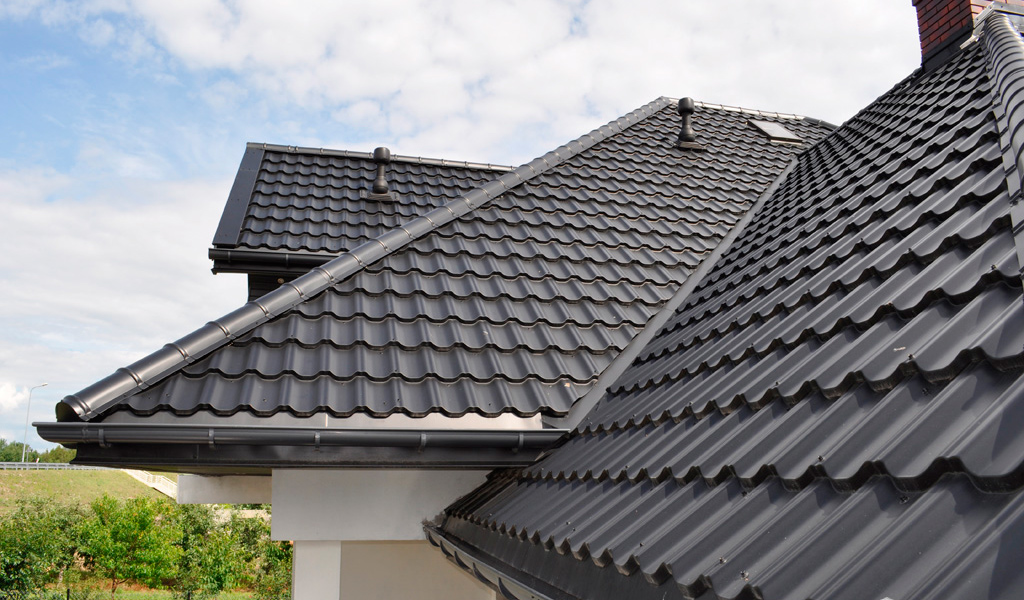
Metal roofing is an excellent option for environmentally conscious homeowners. These roofs are often made from recycled materials and are fully recyclable at the end of their life. Not only do metal roofs reduce waste, but they also reflect solar radiant heat, which can lower cooling costs by up to 25% in warmer climates. Their durability and energy efficiency make metal roofs a sustainable choice worth considering.
Clay and concrete tiles are another sustainable roofing option. These materials have been used for centuries and are known for their longevity and fire resistance. They can last up to 50 years or more, significantly reducing the need for replacement and the waste it generates. Moreover, clay and concrete tiles can be recycled, adding to their eco-friendly credentials. While they have a higher initial cost, their durability and energy efficiency can result in savings over time.
Green roofs, or living roofs, represent a growing trend in sustainable building practices. By installing vegetation on rooftops, homeowners can help reduce urban heat islands, improve air quality, and manage stormwater. Green roofs provide insulation, helping to maintain a steady temperature in homes, which can reduce energy consumption for heating and cooling. However, these require a strong roof structure to support the additional load and a commitment to maintenance.
Solar roofing, such as photovoltaic panels or solar shingles, offers an innovative way to leverage the sun's energy. By harnessing solar power, homes can significantly reduce their reliance on fossil fuels. While this technology can involve a higher upfront cost, various incentives and rebates can help offset these expenses. Over time, solar roofing not only reduces environmental impact but also cuts electricity costs, providing both ecological and economic benefits.
When considering sustainable roofing, it is also important to think about the installation process. Choosing a professional roofing company like Life Time Roofing ensures that your eco-friendly roofing material is installed correctly and efficiently. Proper installation can enhance the material's longevity and efficiency, further minimizing environmental impacts.
In conclusion, making an informed decision about roofing can substantially impact your environmental footprint. By choosing sustainable options like metal roofs, clay and concrete tiles, green roofs, or solar panels, you invest in the planet and your home's future. Understanding the benefits of each material and aligning them with your specific needs can help you make the right choice. At Life Time Roofing, we are committed to helping you make roofing decisions that support a sustainable lifestyle, ensuring your home is both eco-friendly and efficient.
/filters:no_upscale()/filters:format(webp)/media/4944da59-50ad-4c68-a41e-e46120541c37.jpeg)
/filters:no_upscale()/filters:format(webp)/media/218593fd-ee7b-4621-a8b2-03334daa3f2e.jpeg)