The Step-by-Step Guide to Preparing Your Roof for Solar Panel Installation Jul 31, 2026
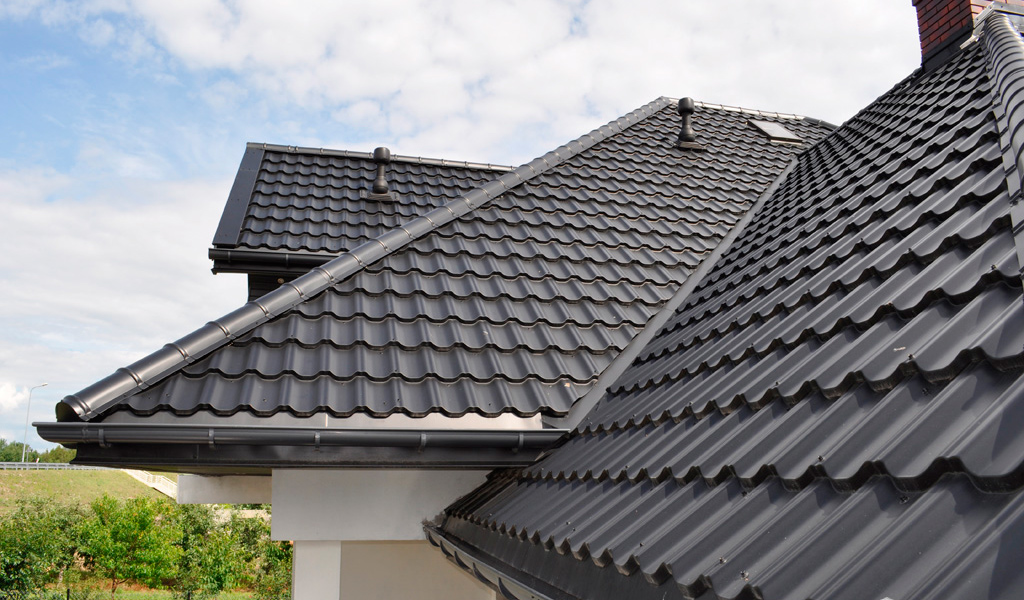
First, assess the condition of your roof. Begin by examining the age and material of your roof. Generally, solar panels last about 25-30 years, so it’s wise for your roof to be in good shape. If your roof is nearing the end of its expected life, consider replacing it before installing solar panels. Look for signs of damage like loose shingles, leaks, or structural issues. Engage a professional roofing contractor, such as Life Time Roofing, for a detailed inspection to ensure your roof is fit for solar panels.
Next, evaluate the structural integrity of your roof. Some roofs may need reinforcement to support the extra weight of solar panels. This assessment should include calculations of load-bearing capacities and potential impacts of elements like snow and wind. A structural engineer or experienced roofing professional can provide insights and recommend necessary reinforcements to prevent future issues.
Once your roof is structurally sound, decide on the optimal placement of solar panels. This step involves considering roof orientation and shading. Ideally, solar panels should face true south for maximum sun exposure. Avoid areas shaded by trees, chimneys, or adjacent buildings. Utilizing tools like a solar pathfinder can help determine the sun path over your home and pinpoint the best spots for installation.
Another critical aspect is ensuring proper roof access and safety during the installation. Clear any debris, such as leaves and branches, that might obstruct work. Additionally, create a safe work environment by installing necessary safety equipment like guardrails or harness anchor points. Proper safety measures protect installers and help avoid accidental roof damage during the process.
Furthermore, consider the wiring and electrical setup. Before installing solar panels, it’s essential to evaluate the current electrical system of your house to ensure compatibility with new solar equipment. This evaluation might require an upgrade or modification to handle additional input. Collaborate with both your solar technician and an electrician to streamline the integration of solar panels with your household energy system.
Finally, check with your local government and utility company about necessary permits and zoning regulations. Early consultations can smooth out the process and prevent legal complications down the road. Some regions offer incentives or rebates for solar panel installations, which can be beneficial.
In conclusion, preparing your roof for solar panel installation is a multi-step process that requires careful planning and professional guidance. By ensuring your roof is in excellent condition and correctly evaluating various practical considerations, you can facilitate a smooth and successful installation, yielding energy savings for years to come. At Life Time Roofing, we are here to assist you at every stage, ensuring a seamless transition to solar energy and enhancing the sustainability of your home. Get in touch with our expert team to explore your options and take the first step towards a greener future.
/filters:no_upscale()/filters:format(webp)/media/4944da59-50ad-4c68-a41e-e46120541c37.jpeg)
/filters:no_upscale()/filters:format(webp)/media/218593fd-ee7b-4621-a8b2-03334daa3f2e.jpeg)